
The Bear View
Unsuitability of Baseload Power in the Modern Energy Landscape
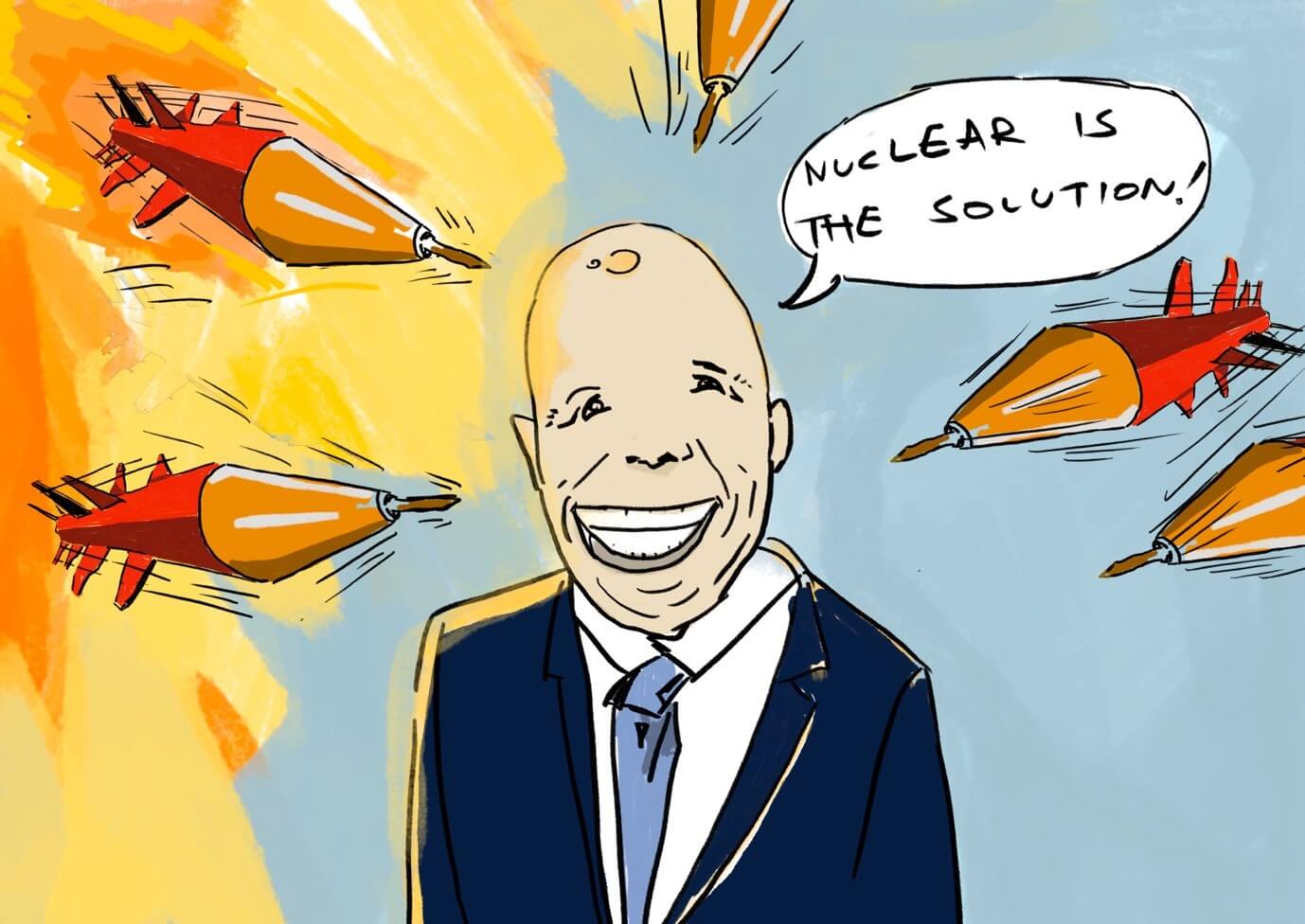
Peter Dutton’s nuclear policy is fundamentally flawed for several reasons. Both coal and nuclear power plants are designed to provide a consistent and substantial amount of electricity, known as baseload power. To be commercially viable, these plants need to operate continuously at around 95-97% capacity they have to provide significant energy to the grid.
However, the energy landscape has changed dramatically over the last 10 years with the integration of renewable sources of solar and wind into the grid. This change means there is no longer a need for a large base load provider like nuclear or coal.
The Shift Towards Renewable Energy
Today, there are times during the day when the price of electricity drops to zero due to an oversupply of solar energy. This oversupply makes it impossible for large baseload providers, such as coal and nuclear power stations, to be financially viable. Today the financial struggles of coal power stations are a clear indication of this shift.
Past vs Present: Why Nuclear Is No Longer Viable
Nuclear power might have been a viable option for providing baseload power 10-15 years ago – if we started on it then. However, since that time Australia has made significant investments in solar and wind energy, reducing the need for coal or nuclear baseload power sources.
In short we have moved well past nuclear.
Given our current progress with renewables, solar and wind the most practical way forward is to use batteries and gas as transitional solutions while we move toward a fully renewable energy system.
The big issue we need to solve today is Fluctuations in Renewable Energy Supply
We have to solve the fluctuations issue – ie 80% of WA’s power comes from renewables, how does a nuclear power station fit in for 20% – well it doesn’t economically in immediate time frames or rationally. For Dutton this is a political stunt. This is where we use batteries and gas as transitional solutions while we move toward a fully renewable energy system. It is complex will take time – let’s not present it is easy.
Political Motivations vs National Interests
Dutton’s policy appears to be driven more by political motivations than by a genuine concern for the country’s best interests.
As Australians, we need to collaborate on developing economically sound energy plans that promote national development.
Lower energy prices are critical for onshore manufacturing and job creation. Dutton’s nuclear policy does the opposite. Therefore, energy policy should prioritize the country’s best interests over political agendas.
Economic Perspective
From an economic perspective, Dutton’s nuclear policy does not make any sense. Too late, uneconomical.
Political Perspective
From a political perspective, it makes even less sense.
Many Independents in the last election received votes as Liberals have failed on the environment. Dutton instead of listening to those voters in the last election –Dutton with his nuclear policy has taken a baseball bat to the independents instead of respecting their views.
Why can’t we just act in the nation’s interest?
When I critically evaluating Dutton’s nuclear policy against Australia’s investment needs the policy is illogical. Economically foolish.
A spend of 30-40B for a couple of plants in which Australia has no expertise to build makes even less sense given our agreed home-grown policy. Nearly all that money would be paid to overseas contractors and invest into another economy.
It is on our interest now to solve the grid instability with an infill of batteries and the transition fuel gas which I acknowledge many hates but it is necessary until we solve with renewables. Which we will.